Fostering Independence in Learning for Students
By BreakThrough Education Editorial Team · Updated 2026-08-05
Strategies like goal-setting and self-monitoring build independent learning effectively, with the Education Endowment Foundation confirming self-regulated learning delivers high impact on progress, making it a proven approach to fostering student autonomy.
Independent learning develops when students set goals, monitor progress, and evaluate their own work, a method the Education Endowment Foundation ranks as high-impact and low-cost. BreakThrough Education builds this skill through personalized one-on-one. Small group sessions for students from Junior Kindergarten to Grade 8, pairing academics with confidence and responsibility.
What is independence in learning and why does it matter?
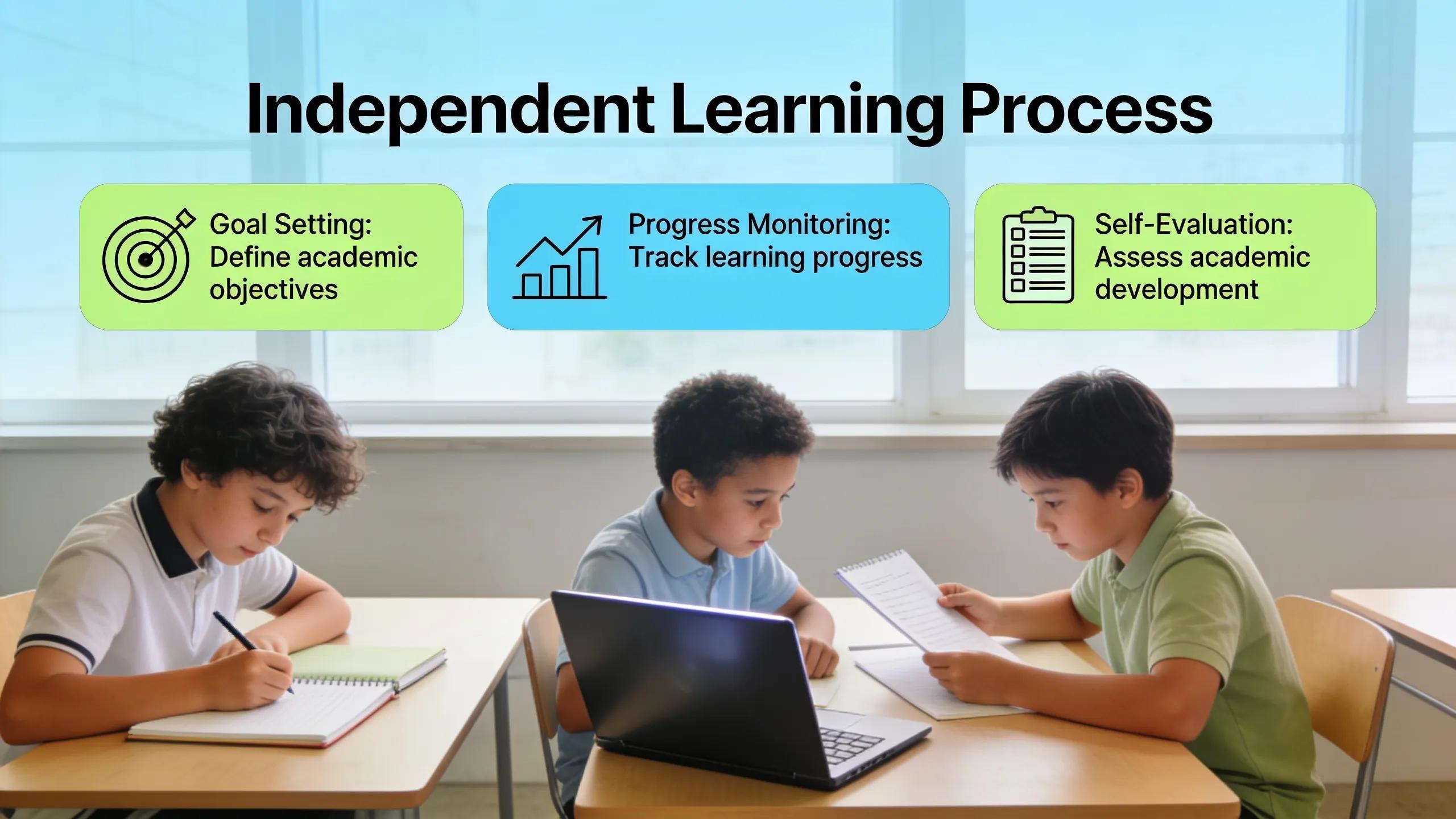
Independence in learning describes a process where pupils set goals, monitor their own progress, and evaluate their academic development to manage their own motivation. This self-directed approach shifts the driver's seat from the instructor to the student, giving children the tools to investigate and explore new knowledge with lower involvement from an adult.
The payoff is measurable. The Education Endowment Foundation (EEF) found that self-regulated, independent learning delivers a high impact on pupils' progress for a very low cost. Research shows an average of 8 months' progress gained through effective independent learning strategies. That return makes independence in learning one of the most efficient investments a school or family can make.
Students exploring for themselves sits at the very core of learning. When children make discoveries from tasks they genuinely care about, the knowledge sticks far better than anything delivered through direct instruction alone.
How does independent learning differ from traditional teaching?
Traditional models condition students as dependent learners who wait for instructions. Independent learning flips that dynamic. An independent learner holds all the tools needed to take their education into their own hands, investigating topics with curiosity rather than waiting for permission.
What does this mean for daily practice?
Students set their own goals instead of receiving them
Learners monitor their own progress against those goals
Pupils evaluate outcomes and adjust their approach
Teachers step back and guide rather than direct
These student responsibility strategies build the self-belief children need to tackle harder material without constant adult reassurance.
How can student responsibility strategies build autonomy?
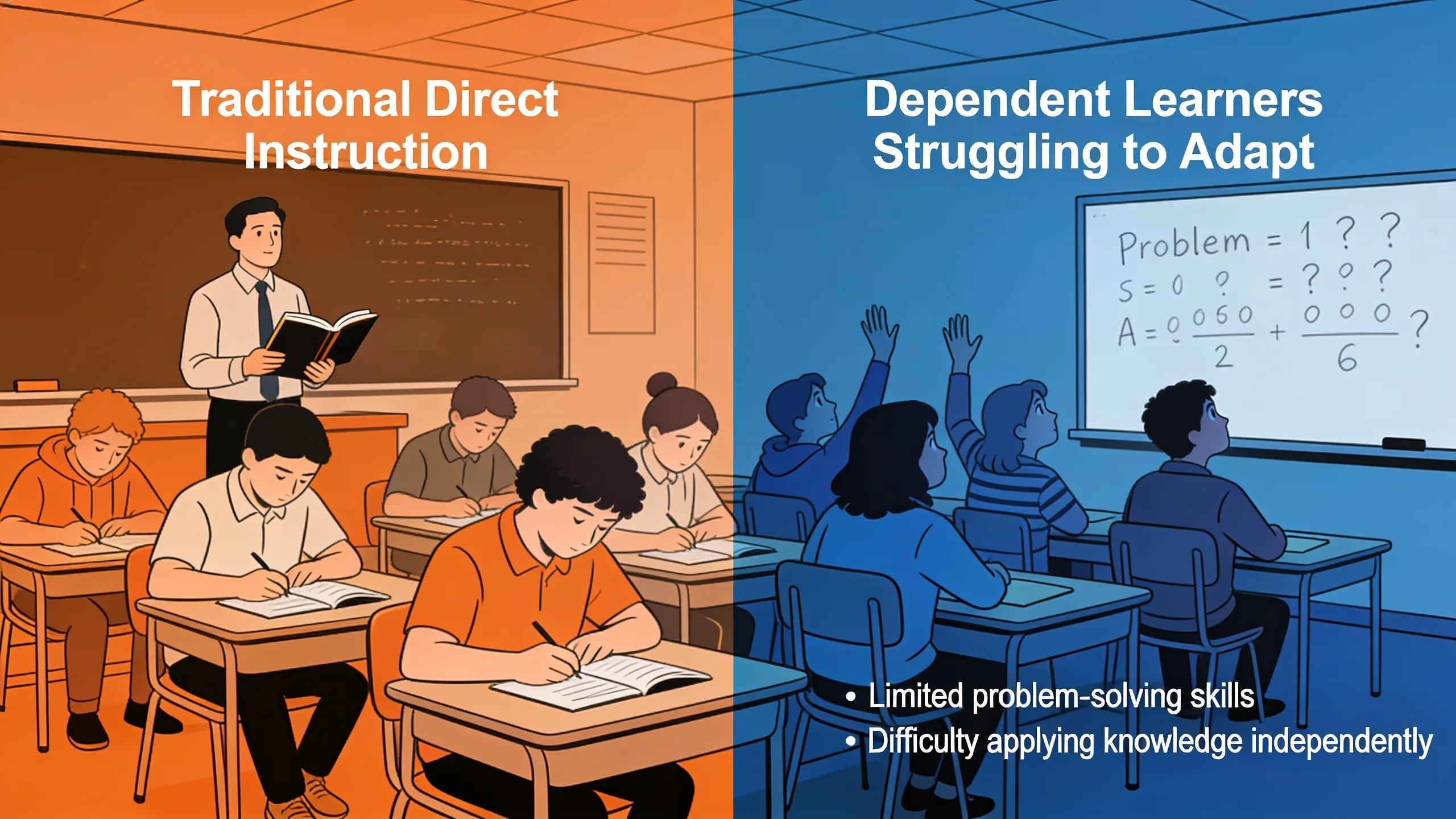
Traditional direct instruction, while efficient for content delivery, carries an unintended risk. This model can condition students as dependent learners who struggle to adapt when a teacher’s methods change. Student responsibility strategies break that cycle by shifting the cognitive load from instructor to learner.
What makes independence a skill that must be practiced?
Independence is not an innate trait but a skill that grows slowly and requires deliberate nurturing over time. Students need repeated opportunities to practice self-direction and gain confidence in their own capabilities. Without these structured chances to take responsibility, learners remain reliant on external direction.
How does adult support enable student autonomy?
Paradoxically, autonomy flourishes when students trust that an adult remains available for support. Knowing a teacher or tutor is ready to step in creates the psychological safety needed to take academic risks. Educators must deliver content in a way that supports both current understanding. Future self-direction, creating conditions where students demonstrate ownership of their learning.
Student responsibility strategies that work include:
Goal-setting frameworks that let students define their own learning targets
Self-monitoring check-ins where learners evaluate their own progress
Choice-based assignments that give students control over how they demonstrate understanding
These approaches transform classrooms from dependency zones into autonomy-building environments.
What does a homework independence program look like?
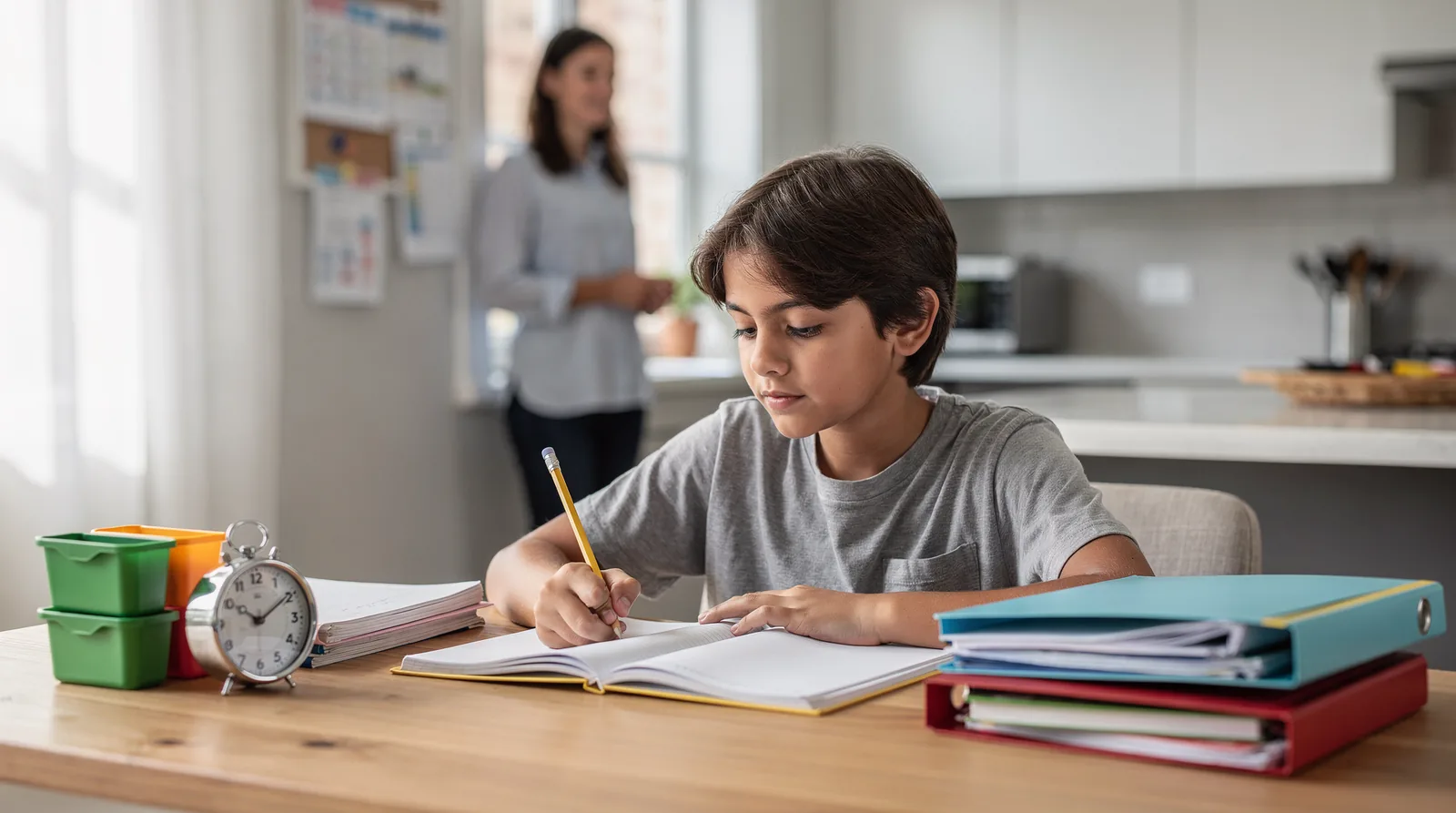
A homework independence program shifts the student from passive receiver to active driver of their own learning. Instead of completing worksheets handed down by an instructor, students set personal goals, choose research paths, and evaluate their own progress. This structure builds independence in learning by placing the student in the lead role during homework time.
How does curiosity drive homework independence?
Curiosity is the engine of this approach. As Walt Disney observed, curiosity keeps people moving forward, opening new doors, and doing new things. A homework independence program channels that natural drive by allowing students to incorporate their own interests into assignments. When a child studies fractions through a baking project they chose, the work feels meaningful rather than mandatory.
What specific strategies make students responsible for their own work?
Student responsibility strategies are built into the program's daily structure. Students do their own research and ask questions rather than relying solely on an instructor for answers. The program includes:
Self-set weekly learning targets tied to personal interests
Student-led check-ins where the child explains their process, not just the answer
Reflection prompts that ask what worked, what didn't, and what to try next
These routines teach students to monitor their own motivation and adjust their approach. The goal is not perfect homework but a growing capacity to manage one's own learning independently.
Fostering independent learning transforms how students approach their education and navigate life's challenges. By building confidence, encouraging curiosity, and establishing routines that support self-directed growth, educators create pathways for children to become thoughtful problem-solvers and resilient learners. When students internalize these skills, they develop the foundation to thrive academically and personally, carrying these strengths forward long after leaving the classroom. This journey toward independence represents the true measure of educational success.